
Aftershocks is a timely examination of what happens when public health systems and the democratic institutions that sustain them are pushed to their limits.
Set during the first year of the second Trump administration, the book traces a period of rapid policy change, institutional erosion, and growing consequences for global health through the lens of the HIV response.
Drawing on policy analysis, frontline insight, and lived experience, Dr. José M. Zuniga reveals how decades of hard-won progress became vulnerable. Yet this is not only a story of breakdown; it is also a story of perseverance under sustained strain.
From local health departments working to maintain essential services to global programs adapting to shifting U.S. commitments, the book highlights the resilience of those striving to hold systems together. Bridging politics and public health, Aftershocks connects decisions made at the highest levels of government to their real-world impact on communities. It offers readers both a critical understanding of systemic fragility and a forward-looking framework — Horizons 2028 — for building more resilient and equitable health systems.
At its core, this book is both a warning and a call to action, affirming that even in times of disruption, collective action can help create a more just, healthy, and sustainable future for everyone, everywhere.


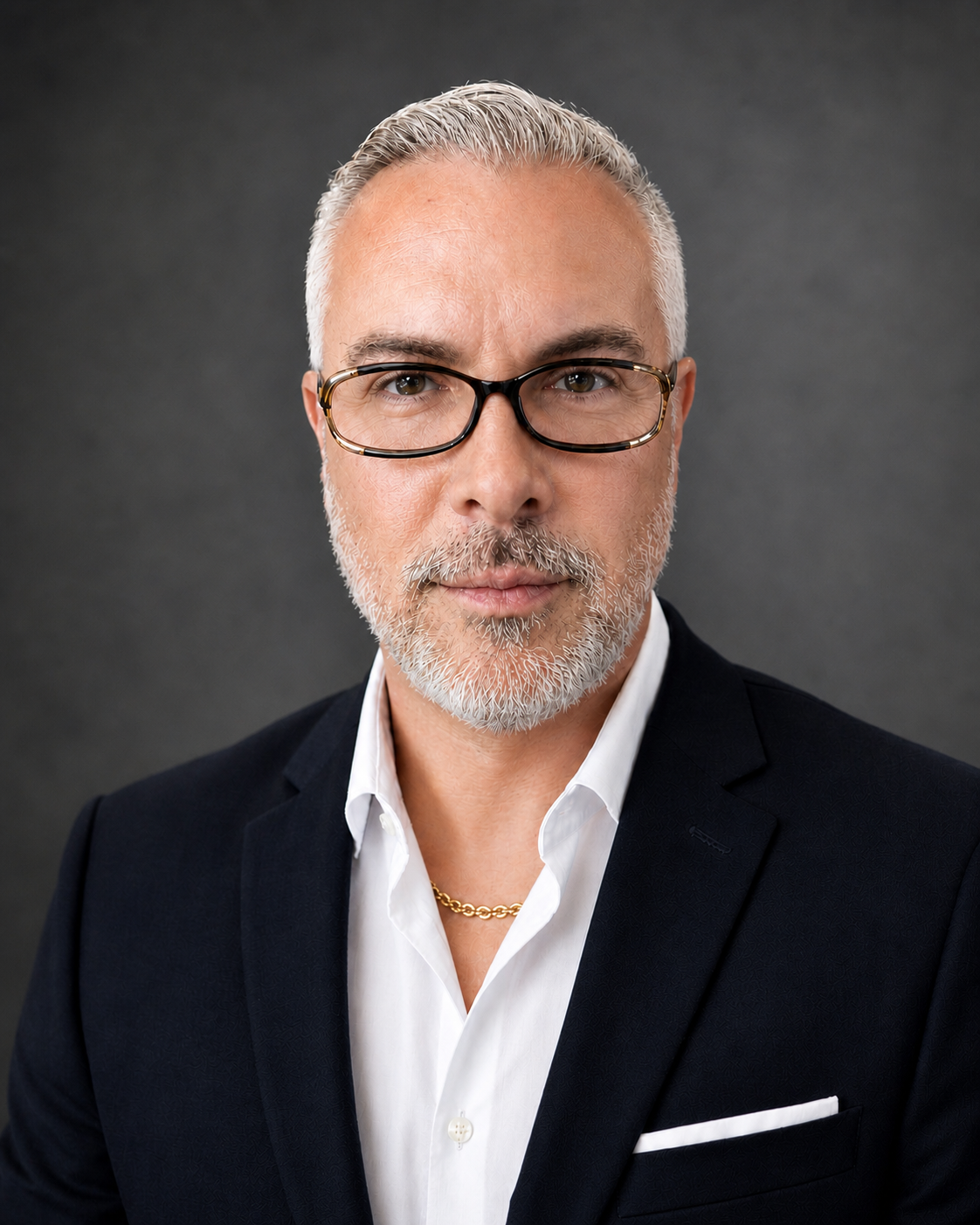
dr. José M. Zuniga
Dr. José M. Zuniga is President/CEO of Fast-Track Health and a globally recognized public health leader with more than three decades of experience advancing responses to HIV, communicable and non-communicable diseases, and the health impacts of climate change.
Since 2014, he has guided an urban health initiative spanning more than 600 Fast-Track Cities, working at the intersection of health equity, community engagement, and systems strengthening. He has edited five Oxford University Press volumes on public health and serves on multiple global advisory boards and expert panels.
Throughout his career, Dr. Zuniga has collaborated with governments, multilateral organizations, and community partners to shape national and global health strategies, emphasizing person-centered and whole-of-society approaches to improve health outcomes.
Aftershocks reflects both his professional expertise and personal commitment to public health. His work continues to focus on advancing equitable, resilient systems grounded in science, policy, and lived experience.