
Health is shaped by more than what happens in a clinic. The air people breathe, the homes they live in, the food and water they can access, the work they do, and the stability of the environment around them all affect their wellbeing. Yet health programs and institutions are often organized around one disease, one risk, or one sector at a time.
That division can obscure how risks overlap in people’s lives. Extreme heat can worsen heart and lung disease, affect mental wellbeing, and disrupt access to essential services. Air pollution contributes to respiratory illness and is linked to heart disease and stroke. Housing conditions, unsafe streets, limited green space, and unequal access to care can compound these pressures — especially for people already facing poverty, discrimination, disability, or chronic illness.
The urban heat island effect shows why the conditions around us matter. In some inland cities, temperatures can be 3-5°C higher than in surrounding rural areas, as built-up surfaces retain heat and green cover is limited. That additional heat can intensify exposure for residents and aggravate existing health risks. Climate change is also increasing the frequency and intensity of hazards such as heat waves, floods, storms, and wildfires, with consequences for physical and mental health, food and water security, and the continuity of essential services.
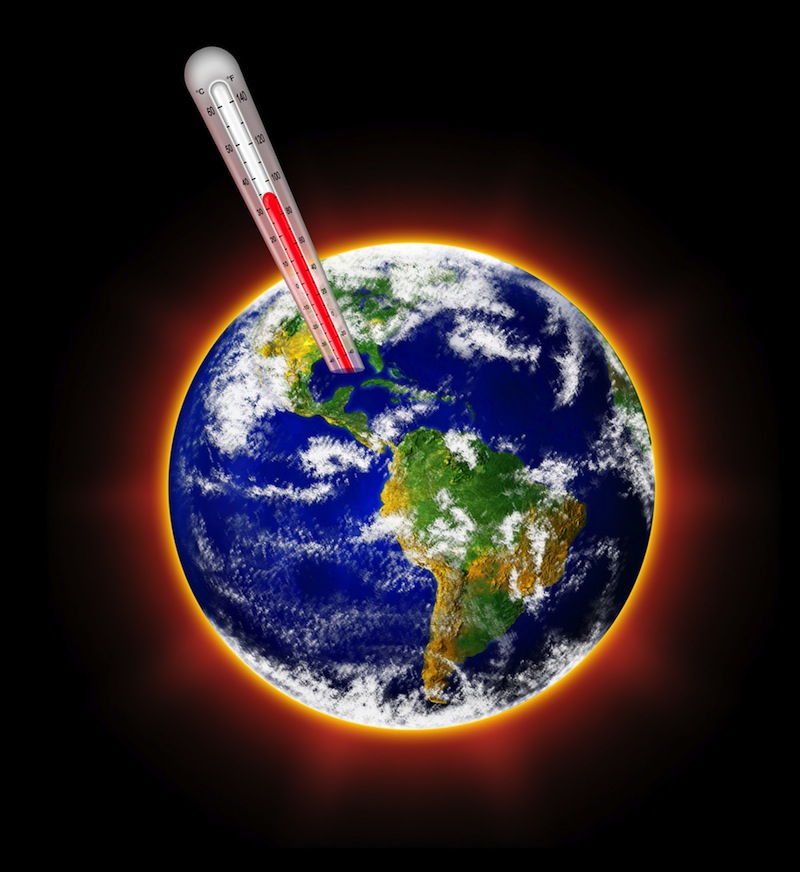
The latest UN Environment Programme assessment makes the stakes even clearer: even if countries fully implement their current climate pledges, the world is on track for about 2.6°C of warming this century; under current policies, the projection is 2.8°C. The Paris Agreement calls for holding warming well below 2°C and pursuing efforts to limit it to 1.5°C. Each additional fraction of warming increases health risks, including dangerous heat exposure, worsening air quality, climate-related illness, and disruption to food, water, and essential health services. These projections are not inevitable, but closing the gap requires faster emissions cuts and coordinated action across sectors and networks.
These challenges extend well beyond city boundaries. Climate and environmental risks affect rural and urban communities, cross borders, and interact with health systems, economies, and ecosystems. Cities are important places to understand and address these connections: local decisions about housing, transport, land use, green space, and public services can affect exposure and health. But the broader task is to make health responses more connected wherever people live.
That requires collaboration across disciplines, institutions, and networks. Public health agencies, healthcare providers, environmental experts, community-based organizations, researchers, and local governments each see a different part of the picture. Networks focused on particular health issues or populations have developed expertise, trusted relationships, data, and practical approaches. Sharing that knowledge can help partners spot common risks, coordinate services, and adapt effective ideas to different communities.
Cross-pollinating evidence, innovations, community partnerships, and lessons from implementation can lead to more useful action. For example, environmental data can help health services identify people at higher risk during extreme heat. Community-based organizations can help make prevention messages accessible and connect residents to support. Health systems can plan to maintain care during floods or heat waves. Researchers and local partners can assess whether interventions reach people who experience the greatest exposure and barriers to care.
The expected outcomes should be concrete and measurable. Coordinated prevention and outreach can support earlier identification of health risks and more timely care. Cleaner air and safer environments can reduce exposure to hazards associated with respiratory and cardiovascular illness. Access to shade, green space, safe mobility, and healthy food can support physical and mental well-being. Better preparedness can help prevent avoidable illness and hospital visits during climate emergencies and maintain essential services. Progress should be assessed through health outcomes, service access and continuity, exposure to environmental risks, and differences between populations and neighborhoods — not only through the number of programs launched.
A One Health perspective helps make these links clearer by recognizing that human health is connected to animal health and the ecosystems people share. Climate change, biodiversity loss, and changes in land use can influence disease risks and livelihoods. Responding well calls for communication among health, environmental, agricultural, and community partners, with decisions informed by evidence and local experience.
The urgency is now. Climate hazards are intensifying, chronic and infectious diseases continue to affect communities, and health inequities leave many people with less protection and fewer options. Waiting for every institution to reorganize before cooperating would delay practical steps that can begin today: identify shared priorities, listen to affected communities, align existing efforts, exchange what works, and track whether conditions and outcomes improve.
Health is interconnected, so our efforts to protect it must connect as well. When networks and institutions learn from one another and work toward shared outcomes, they can make existing resources go further and build responses that better reflect people’s whole lives. Cities have an important role in that work, alongside rural communities and national and global partners. The goal is healthier, more resilient, and more equitable communities wherever people live.
Dr. José M. Zuniga
Leave a Reply